Showing posts with label Food Sovereignty. Show all posts

Thursday, September 1, 2016

Acoma Sky City Cultural Center and Haak'u Museum

Aerial View of Sky City
photo by Marshall Henrie for Wikimedia Commons

Name: Acoma Sky City Cultural Center and Haak'u Museum
Tribe: Pueblo of Acoma
Location: Haaku Road, Pueblo of Acoma, NM 87034
Type: Historic Site, Cultural Center/Museum, Cafe, Gift Shop
Visiting Info: Open daily, 8am-5pm, call for museum hours and tour time registration
Contact: Website, telephone 800-747-0181

The Acoma Pueblo, perched on the top of a 367 ft. high mesa in the New Mexico desert, is one of the oldest continually inhabited settlements in North America. It is approximately 2,000 years old and is home to the San Esteban del Rey Mission church which was completed in 1640. Both the mission and the pueblo are on the National Register of Historic Places and are a site of the National Trust for Historic Preservation.

Sky City Cultural Center
photo from Wikimedia Commons

At the base of the mesa sits the Acoma Sky City Cultural Center and Haak'u Museum building and visitor parking. The Museum offers permanent and rotating exhibits focusing on Pueblo history and the preservation of Puebloan art, specifically Acoma's famous pottery. The 40,000 sq. ft. Cultural Center complex includes the Y'aak'a Cafe, which serves traditional Acoman and contemporary southwestern cuisine, the Ts'ikinum'a Theater showing short films on Pueblo history and culture, meeting/event space with catering options, and the Gaits'i Gift Shop.

photo from Sky City Casino Hotel webpage

Tours of the Pueblo itself are available daily from the Cultural Center, from 8am to 5pm, but it seems best to call ahead (1-800-747-0181) and register for a tour time and to verify current open hours for the Cultural Center's facilities. The pueblo is continually inhabited by a small group of tribal members, and as such, there are sensitivity issues involved with touring the village. The Acoma people ask that dress should be modest (and mindful of the sometimes extreme weather), pets and smoking are prohibited, and photography is not allowed without a permit. Please read the visitor etiquette page. The tours last an hour and a half and cost $23 for adults, $15 for children. Group tours, family rates, and shorter tours of the mission only are also offered.

San Esteban del Rey Mission
photo from Ken Schneider, Flickr's Creative Commons

The Pueblo people celebrate annual feast days that are related to their specific pueblo and mission saint. The feast day of San Esteban is celebrated at Sky City on September 2nd. If you plan to attend, be sure to read up on the specific etiquette rules before you go. Every year in September the Acoma Pueblo also hosts the Tour de Acoma, a series of 25-, 50-, and 100-mile desert bike races. There is also a Luminaria Celebration and dances at the mission church around Christmas. Check the calendar for special events and annual closed days at the pueblo before you schedule your trip.

Sky City is about 70 miles west of Albuquerque and a ways off of I-40, but the Acoma do have a casino hotel and an RV park directly off of the interstate, and they offer big game hunting tours on the reservation in the Fall. Cibola County is also home to the longest uninterrupted stretch of historic Route 66 in New Mexico, which runs immediately to the north of the Casino as State Highway 124.

Wednesday, September 30, 2015

Skwachàys Lodge, an Aboriginial Hotel & Gallery in Vancouver

all photos from schwachays.com

Name: Skwachàys Lodge
Tribe: Northwest Coast First Nations, Urban Native community
Location: 29/31 West Pender, Vancouver, BC V6B 1R3, Canada
Type: Hotel, Art Gallery, Not-for-profit Social Programs
Visiting Info: Hotel: open daily, Reservations; Gallery: Mon-Fri 10am-4pm, Sat-Sun 11am-5pm.
Contact: Website, telephone 888-998-0797 (toll free)

Skwachàys Lodge in Vancouver is a jewel of socially responsible travel, culturally inclusive community building, and Native self-reliance. Besides the 18-room boutique hotel and the Urban Aboriginal Fair Trade Gallery in the lobby, Skwachàys Lodge and Residences is also home to affordable apartments for Native artists, workshops and art production space, and a commercial kitchen. A sweat lodge and smudge room on the roof of the hotel were especially designed as a sanctuary for Native patients who must travel to Vancouver from outlying rural areas for medical treatments.


The project was conceived in part beginning in 2002 by the not-for-profit Vancouver Native Housing Society (VNHS), who saw a need for culturally sensitive temporary housing for traveling patients. An online community space for local Native artists started by VNHS was later combined with the housing project, and has grown into a gallery and work space for 24 artists-in-residence.

The VNHS was able to mesh its social programs with a provincial and federal government-supported urban renewal project through the renovation of the Victorian-era Pender Hotel. The current façade combines the original, preserved, Victorian architecture with a longhouse and 40-foot story pole by Coast Salish artist Francis Horne Sr. in a unique way that vividly represents the area's history and community. The hotel was renamed Skwachàys (pronounced skwa-chize), the Squamish name for the land at the head of False Creek that is now part of Vancouver. And while these elements unify the layered histories of the place, the video art presentation embedded in the glass sidewalk pushes the project into the future.

Skwachàys Lodge is growing into a public, multifaceted cultural experience and self-sustaining, Native-owned business enterprise. The VNHS transforms the hotel and gallery profits into housing and artist support programs for the local Native community, thereby avoiding federal government aid programs.


The hotel offers two meeting spaces, the Cedars Boardroom and Kayachtn (The Welcome Room). An aboriginally-focused menu provided by Cedar Feast House Catering and local beers and wines are served all day in the Kayachtn Room, where the hotel also holds events such as artist meet-and-greets and storytelling.

Each of the 18 suites has it's own theme and was created by local Native artists and interior designers. The hotel's webpage provides photos and a detailed description of each room, including the names of the artist and decorators.


The Poem Suite

The Longhouse Suite


Friday, June 5, 2015

Heard Museum


Name: Heard Museum
Tribe: Pan-tribal, primarily southwestern nations
Location: 2301 North Central Avenue, Phoenix, AZ 85004
Type: Art and History Museum
Visiting Info: Mon-Sat: 9:30am-5pm, Sun: 11am-5pm, First Fri of every month: 6pm-10pm; Admission: $5-$23
Contact: Website, telephone 602-252-8840

The Heard Museum's permanent collections center on two areas: Southwestern Native cultures and contemporary Native art from across North America. In this way, the museum covers both the history of Native people in the Southwest and modern Native culture and experiences expressed through art.

The Heard is well respected for it's sensitive and honest presentation of American Indian culture. They seem to strive to hire Native staff and trustees and to create real partnerships with tribes and artists in order to provide the most accurate representations. It's a place where Native people are telling a story about themselves.


In addition to the art galleries, the museum complex includes beautiful outdoor spaces, an archival library, a restaurant, a coffee shop, two stores, and the American Indian Veterans National Memorial.


The Heard Museum Shop has become a premier Native art dealer, and the museum also provides a book store, Books & More, which offers titles on American Indian and Southwestern art, history, cooking, travel, and children's books. You can shop online from their selections.

The Courtyard Café serves Native/Southwest cuisine such as posolé, fresh-baked tortilla chips, and frybread with hummus made from tepary beans which are indigenous to Arizona.

Linda Lomahaftewa (Hopi/Choctaw) “New Mexico Sunset” 1978.
photo from heard.org.

The Heard Museum hosts events, festivals, dance competitions, community and children's programming, online and video collections, auditorium and amphitheater performance spaces, and a children's courtyard play area. They are also home to the renowned Annual Heard Guild Indian Fair and Market in March.


Resources:
New York Times article from May 13, 1999, "Making Peace With Museums To Celebrate Their Culture; Phoenix Points the Way To Full Indian Collaboration."
Heard Museum on Facebook
Events at the Heard

Wednesday, June 3, 2015

Indian Pueblo Cultural Center

photo from @indianpueblo on Twitter

Name: Indian Pueblo Cultural Center
Tribe: Pueblo
Location: 2401 12th St. NW, Albuquerque, NM 87104
Type: Cultural Heritage Center, Museum, Library/Archive, Event Space, Café
Visiting Info: Museum: Mon-Sun, 9am-5pm (Shumakolowa Gifts closes at 5:30); Pueblo Harvest Café & Bakery: Mon-Thur, 8am-8:30pm, Fri-Sat, 8am–9pm, Sunday Brunch 8am–4pm; Museum admission: $3-$6
Contact: Website, telephone 866-855-7902


The logo of the Indian Pueblo Cultural Center in downtown Albuquerque says, "Gateway to the 19 Pueblos of NM," and it is a great spot for visitors to get a multifaceted introduction to Pueblo culture.

The museum's permanent exhibits detail the history of the people, and a series of small galleries displays contemporary art and pottery from each pueblo, describing the differences in style and form. A small theater has short films highlighting Pueblo artists, and murals from a special project that began in 1976 are displayed on the walls around the Center. The South Galleries and Avanyu Gallery host changing temporary exhibits.

One highlight of most visitors' experience is the dance exhibition hosted by the IPCC every weekend year-round. Performances are scheduled on Fridays at 2pm, and on Saturdays and Sundays at 11am and 2pm in the Courtyard.

photo from IPCC on Facebook

The Shumak'olo:wa Native Arts store is really more of an fine art dealer than a typical museum gift shop. The pieces they have for sale are carefully curated and the staff is particularly knowledgeable about traditional and contemporary Southwest Native art. Prices reflect the artistry and authenticity of the pieces, but customers can trust that they are supporting Native artists and their community. They have some of their pieces for sale online, in addition to a guide for collecting authentic Native American art.

Green chile and bacon pancakes
photo from Pueblo Harvest's Facebook page

The Pueblo Harvest Café and Bakery serves Native/Southwestern cuisine all day with a view of the Sandia Mountains. They also host live music on the patio most nights from 6-9pm. The Café is accessible even if you don't visit the Center's exhibits, and there is a private event space.

The IPCC runs a free shuttle service  between the Center, their Holiday Inn Express & Suites across the street, the Old Town section of Albuquerque, and the Albuquerque Biological Park Zoo. (Note, the Four Winds Travel Center convenience store and gas station on the corner is also Pueblo-owned.)

Monday, June 1, 2015

Tocabe, An American Indian Eatery in Denver, CO

Indian Taco
photo from tocabe.com

Name: Tocabe, An American Indian Eatery
Tribe: Osage, Pan-Indian
Location: 3536 W 44th Ave, Denver, CO 80211 and
                8181 E. Arapahoe Rd., Unit C, Greenwood Village, CO 80112
Type: Restaurant, Native Cuisine, Catering
Visiting Info: Mon-Sat: 11am-9pm, Sun: noon-8pm
Contact: Website, telephone 720-524-8282 (Denver), 720-485-6738 (Greenwood Village)

Denver location: the wallpaper is reminiscent of prairie grass, the plexiglas on the ceiling represents wind and clouds, and the handprints stand for the three traditional Osage villages. photo from tocabe.com

Tocabe is a Native-owned and operated two-location restaurant chain in Colorado that serves Native food in a casual setting.

Matt Chandra and Ben Jacobs (Osage) first opened Tocabe in Denver in 2008, followed by a second restaurant in suburban Greenwood Village in 2014. They borrowed recipes from the Jacobs family's first restaurant in Denver, Grayhorse: An American Indian Eatery, and expanded on the traditional Osage cuisine to create a modern, pan-tribal menu.

Diners first choose between Indian taco, stuffed fry bread, Medicine Wheel nachos, or fried bannock, and then add a protein (ground beef or bison, grilled chicken, or shredded bison) or veggies. They also offer bison ribs, green chili stew, "bad hunter" salads, kids meals, and a variety of salsas. I've read an assortment of great reviews praising the Osage hominy salsa, which is made of hominy, red onion, cranberries, and cilantro. Dessert option include wojapi, which is a thick sauce or pudding made out of berries, and frybread nuggets.

Monday, May 18, 2015

Mashantucket Pequot Museum and Research Center

credit: pequotmuseum.org

Name: Mashantucket Pequot Museum and Research Center
Tribe: Mashantucket Pequot Tribal Nation
Location: 110 Pequot Trail, Mashantucket, CT, 06338
Type: Museum, Research Library/Archive
Visiting Info: Opening for the season May 15 (through Nov), Wed-Sat 9am-5pm, Admission $12-$20
Contact: Website, telephone (800) 411-9671

After a five-month hiatus for refurbishment under a new director, the Pequot Museum is open again as of May 15, 2015. The museum is hoping to attract greater attention and more visitors with new programs and partnerships with artists.

In the Farmstead area outside, a group of Wampanoag canoe-builders is working on a 36-foot mish8n ("mishoon," the Wampanoag word for canoe), which will be the longest canoe built in New England in the last 200 years when it is completed in June 2015. Visitors can also see a 400-year-old dugout canoe on display inside the museum's exhibits hall.

The Pequot Café is open with a new menu featuring indigenous selections made from local ingredients sourced when possible from Native vendors.

The museum is also offering free work studio space for local Native artists who would like to become Artists in Residence. (For more information contact: bburrell@pequotmsueum.org, 860-396-6960)

And of course, there is still the original 85,000 square feet of permanent, indoor exhibits, including the Pequot Village, a recreation of a 16th Century Pequot settlement before and after contact with Europeans. The movie theater shows The Witness, a 30-minute film about the attack of the Mystic fort by colonists. The "Life on the Reservation," "The Mashantucket Pequot Tribal Nation Today," and the "Portrait Gallery" areas discuss life for Pequot citizens in Connecticut today and the state of the Tribe since they secured federal recognition in 1983.

On the museum grounds, a 185-foot glass tower provides a view across the surrounding tribal land. There are walking and hiking trails and a self-guided tour through the 1780's-era Pequot Farmstead that discusses traditional tribal foods and medicines growing in the gardens.

Additionally, the Research Center includes collections, a library, a children's library, archives, and archaeology and conservation laboratories.

Monday, May 11, 2015

Chickasaw Cultural Center

Kochcha' Aabiniili' Amphitheater
(photo from CCC website)

Name: Chickasaw Cultural Center
Tribe: Chickasaw
Location: 867 Cooper Memorial Drive, Sulphur, Oklahoma, 73086
Type: Cultural heritage, art, and event center, traditional food, research archive
Visiting Info: Open year-round; Admission $2-$10, separate theater/combo tickets, free entry to campus shops and gardens
Contact: Website, telephone 580-622-7130

The award-winning Chickasaw Cultural Center opened in 2010 as one of the largest Native American cultural heritage destinations in the country. The 109-acre campus includes gardens, an amphitheater, an exhibit center, a replica tribal village, a movie theater, a café serving traditional cuisine, and a archival research facility. The Center is located a short distance off I-35 in between Oklahoma City and Dallas, so it's a convenient stopover for people who are just travelling through.

The extensive outdoor space includes the Aaholiitobli' Honor Garden, the Kochcha' Aabiniili' amphitheater for cultural events, the Aba' Aanowa' Sky Pavilion, a replica traditional village which hosts cultural and crafts exhibitions, and the Spiral Garden with its presentation of the Three Sisters crops: corn, beans, and squash.

The Aapisa' Art Gallery in the Welcome Center and the Aaittafama' Room next to the Chikasha Poya Exhibits feature revolving collections of Chickasaw art and crafts. As of this post, there is currently a dugout canoe exhibit with an upcoming display of 1700's Beadwork of Southeastern Tribes.

The Chikasha Poya Exhibit Center consists of a variety of interactive historical and cultural presentations. There is an introductory film in a replica council house, a presentation on tribal spirituality, the Removal Corridor experience, and a multimedia stomp dance display.

Next to the 350-seat Anoli' Theater, the Aaimpe' Café offers traditional Chickasaw cuisine, such as pishofa and grape dumplings, as well as typical museum café fare for the unadventurous. There are also two gift shops on the campus.

And if your interests run to the more academic side, the Holisso Center for the Study of Chickasaw History and Culture is a beautiful research library and archive of materials about the Chickasaw tribe and other native tribes from the American Southeast. Genealogical and research help is available by appointment (email archives@chickasaw.net), and Holisso provides some online resource catalogs.

There are tons of ongoing events, workshops, films, demonstrations, celebrations, etc. Check the calendar before you go! There seems to be something for everyone no matter what your interests at the Chickasaw Cultural Center.


Resources:
The Chickasaw Nation
Adventure Road Project
The Chickasaw Nation Video Network
Chickasaw Country

Wednesday, April 29, 2015

Ganondagan, Seneca Art and Culture Center, and the Iroquois White Corn Project

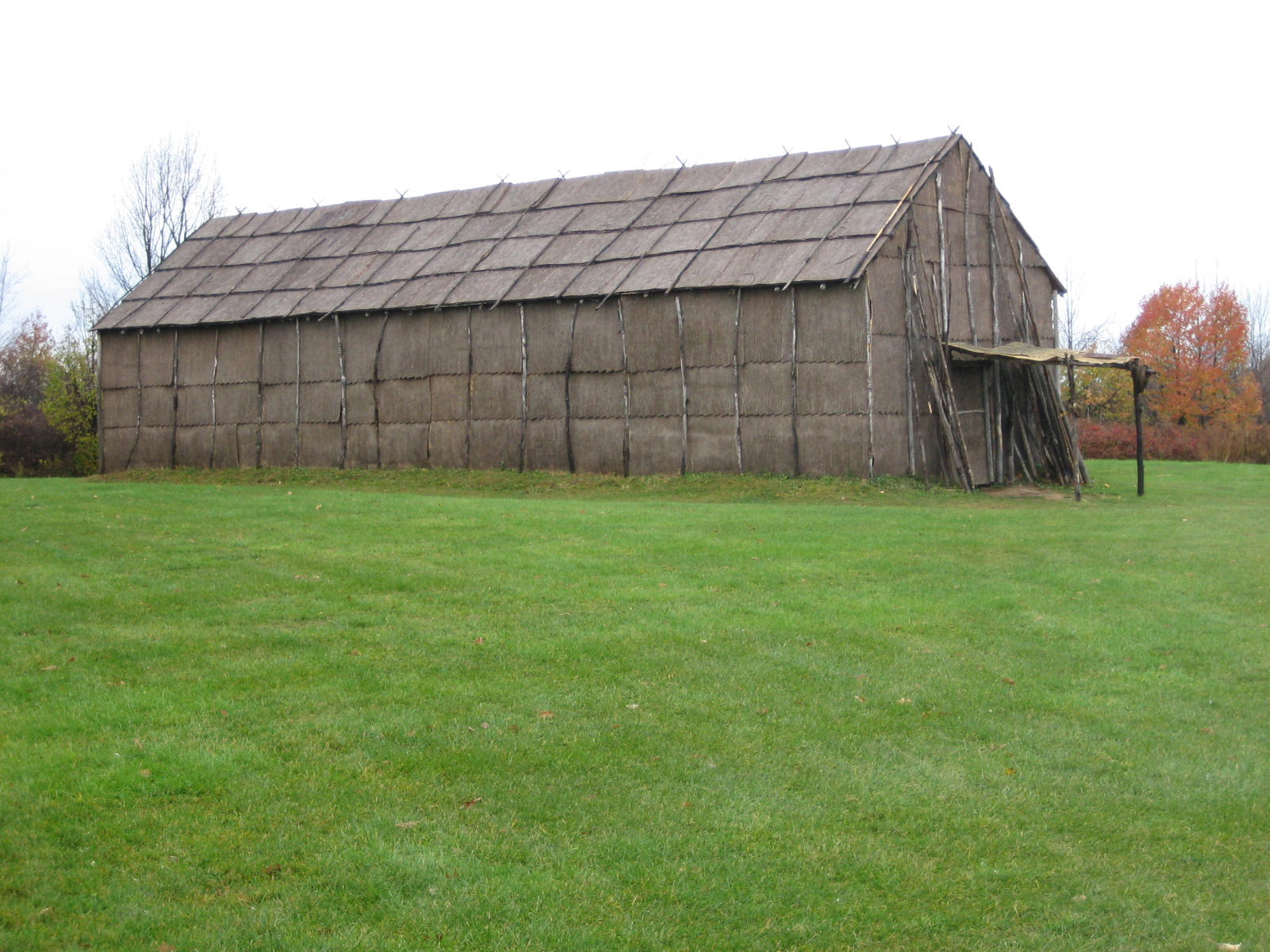
Bark Longhouse

Name: Ganondagan State Historic Site, Seneca Art and Culture Center, and Iroquois White Corn Project
Tribe: Seneca, Haudenosaunee (Iroquois) Confederacy
Location: 1488 State Route 44, Victor, New York, 14564 (near Rochester)
Type: Cultural heritage, art, and event center (SACC), historic site and hiking trails (Ganondagan), food sovereignty project (IWCP)
Visiting Info: Ganondagan - May 1 through October 31 (closed Mondays and some Sundays), trails open year round, admission $2-$3;
The Seneca Art and Culture Center - due to open July 2015;
The Iroquois White Corn Project - retail at various locations and online and volunteer opportunities
Contact: Ganondagan - Website, telephone 585-924-5848; Iroquois White Corn Project - Website, telephone 585-742-1361 or email whitecornproject@gmail.com to volunteer.

Ganondagan is the re-creation of a 300-year-old Seneca town in upstate New York. Admission includes access to the Visitor Center, a replica 17th-century bark longhouse, and three guided hiking trails. Group tours are available for a fee, but self-guided trail hikes are free year-round. The Granary Trail leads up to the Fort Hill mesa where the settlement's protected granary and fort once stood. Illustrated signs along the way tell the story of the day in July 1687 when the French Canadian Governor General Marquis de Denonville's campaign destroyed the original town. An exhibit by Seneca artist Carson Waterman and a video program are located in the Visitor Center. The Friends of Ganondagan also host a summer day camp for high school students focused on conservation issues.

A new 17,300 sq.-ft. Seneca Art and Culture Center is scheduled to open in October of 2015. It will include a gift shop, outdoor exhibit space and gardens, and gallery space offering changing exhibits on Seneca art, history, and culture. There will also be performance and event space, including a catering kitchen, with plans for year-round cultural and community events.


The Iroquois White Corn Project, located nearby on County Road 41 at the Ganondagan State Historic Site Farmhouse, describes itself as a "non-profit, 'agri-cultural' business." The Project grows, processes, and sells the heirloom white corn, as well as creates educational programs to promote its continued production and consumption. They use and teach traditional methods for planting, growing, and processing the corn as a cultural preservation effort, and they accept volunteers at every step of the process from fields to sales.You can buy Iroquois white corn products and merchandise at Ganondagan or online. Their website also lists stores, restaurants, and distributors in New York that sell or use their corn and flour.


Resources:
The Seneca Nation of Indians
Seneca Nation of Indians Tourism
The Haudenosaunee Confederacy
About "Food Sovereignty" at Native American Food Sovereignty Alliance